

Modern home interior concepts are no longer about cold spaces or empty rooms. Today’s modern homes blend clean lines with warmth, function, and personality. The goal is simple: create interiors that feel calm, intentional, and comfortable without looking overdesigned.
From open layouts to smart material choices, modern interiors focus on balance. Here’s how modern home interior concepts are shaping homes today—and how you can apply them naturally.
What Defines Modern Home Interior Design Today
Modern interiors have evolved. It’s no longer just white walls and sharp edges. Today’s approach feels more livable and personal.
Clean Lines With Purpose
Modern homes still rely on clean, simple lines, but every element serves a function. Furniture feels grounded, layouts are uncluttered, and unnecessary details are removed. This creates visual calm while keeping the space practical.
Neutral Palettes With Soft Contrast
Neutral colors like white, beige, gray, and warm taupe dominate modern interiors. The key is contrast—black accents, natural wood tones, or textured fabrics prevent the space from feeling flat.
Open Layouts That Improve Flow and Light
One of the strongest modern home interior concepts is openness. Walls are minimized to let light and movement define the space.
Seamless Living, Dining, and Kitchen Areas
Open-plan interiors allow rooms to flow naturally into one another. The living room connects visually to the dining area, while the kitchen becomes part of daily interaction rather than a closed-off workspace.
Defined Zones Without Walls
Instead of walls, modern interiors use rugs, lighting, furniture placement, or ceiling details to define zones. This keeps the space open while still organized.
Furniture That Balances Style and Function
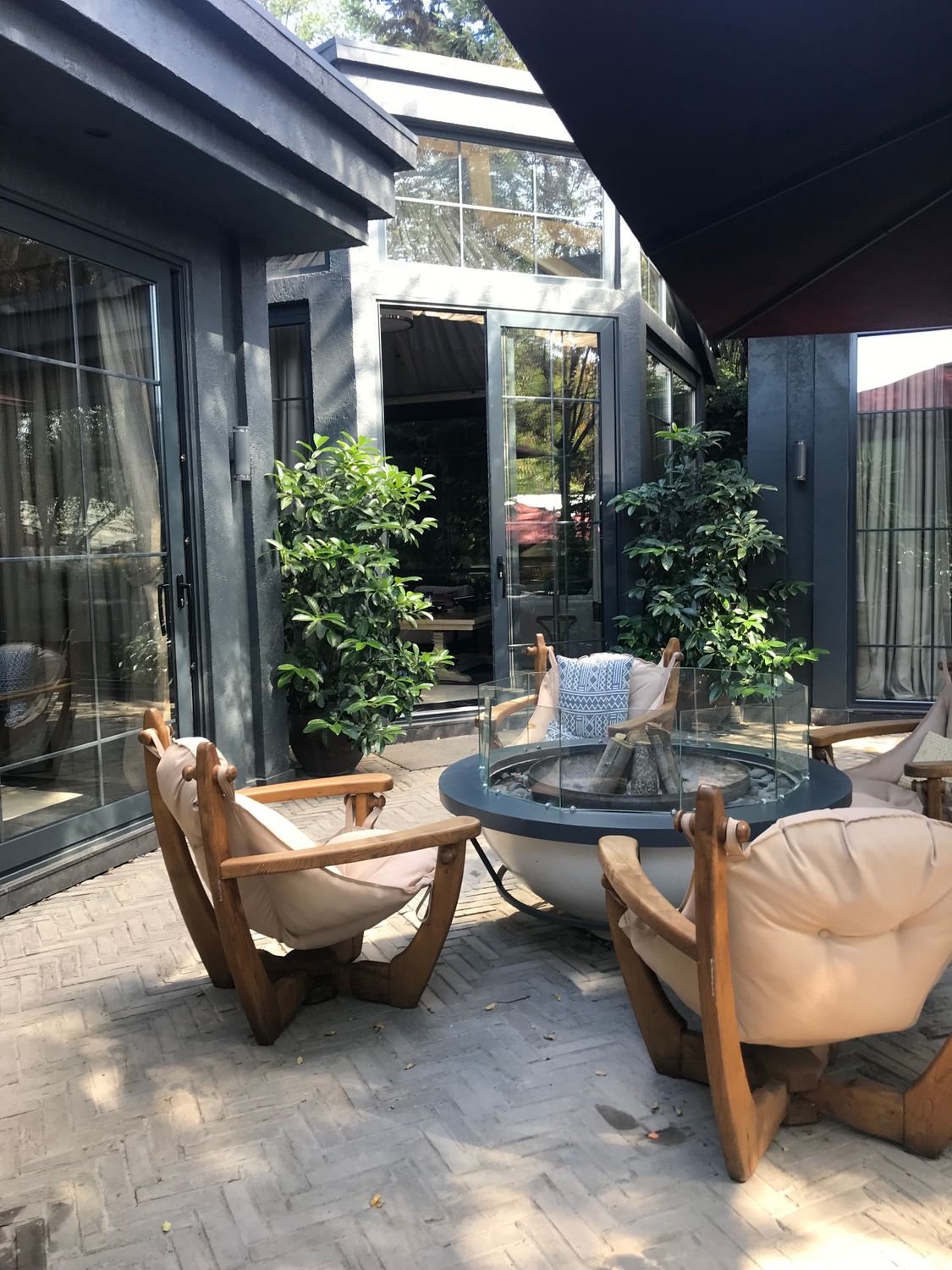
Furniture choices play a major role in modern interiors. The focus is on form, comfort, and efficiency.
Low-Profile and Well-Proportioned Pieces
Modern furniture often sits lower to the ground, creating a relaxed and spacious feel. Sofas, beds, and tables are scaled carefully so the room never feels overcrowded.
Multi-Functional Designs
Storage beds, extendable tables, and modular sofas fit perfectly into modern homes. These pieces support clean aesthetics while solving everyday space challenges.
Materials That Add Warmth to Modern Spaces
A common myth is that modern interiors feel cold. The right materials change everything.
Natural Wood and Stone Accents
Wood floors, slatted panels, or stone surfaces add texture and warmth. These materials soften clean lines and make the space feel grounded and inviting.
Textiles That Soften the Look
Linen curtains, wool rugs, and fabric upholstery balance hard surfaces like glass or metal. Layering textures is what makes modern interiors feel livable.
Lighting as a Core Design Element
Lighting isn’t just functional in modern interiors—it’s part of the design language.
Layered Lighting for Depth
Modern homes use a mix of ambient, task, and accent lighting. Recessed lights provide general illumination, while pendant lights and wall fixtures add character.
Natural Light as a Priority
Large windows, sheer curtains, and open layouts help maximize daylight. Natural light enhances colors, textures, and overall comfort.
Minimal Decor With Intentional Styling
Modern interiors embrace the idea that less is more—but not empty.
Thoughtful Decor Selection
Instead of many small items, modern homes display fewer pieces with stronger visual impact. Artwork, sculptural objects, or statement vases create focus without clutter.
Personal Touches Without Overcrowding
Books, plants, and personal items still belong in modern homes. The difference lies in curation—each piece has space to breathe.
Why Modern Home Interior Concepts Stay Timeless
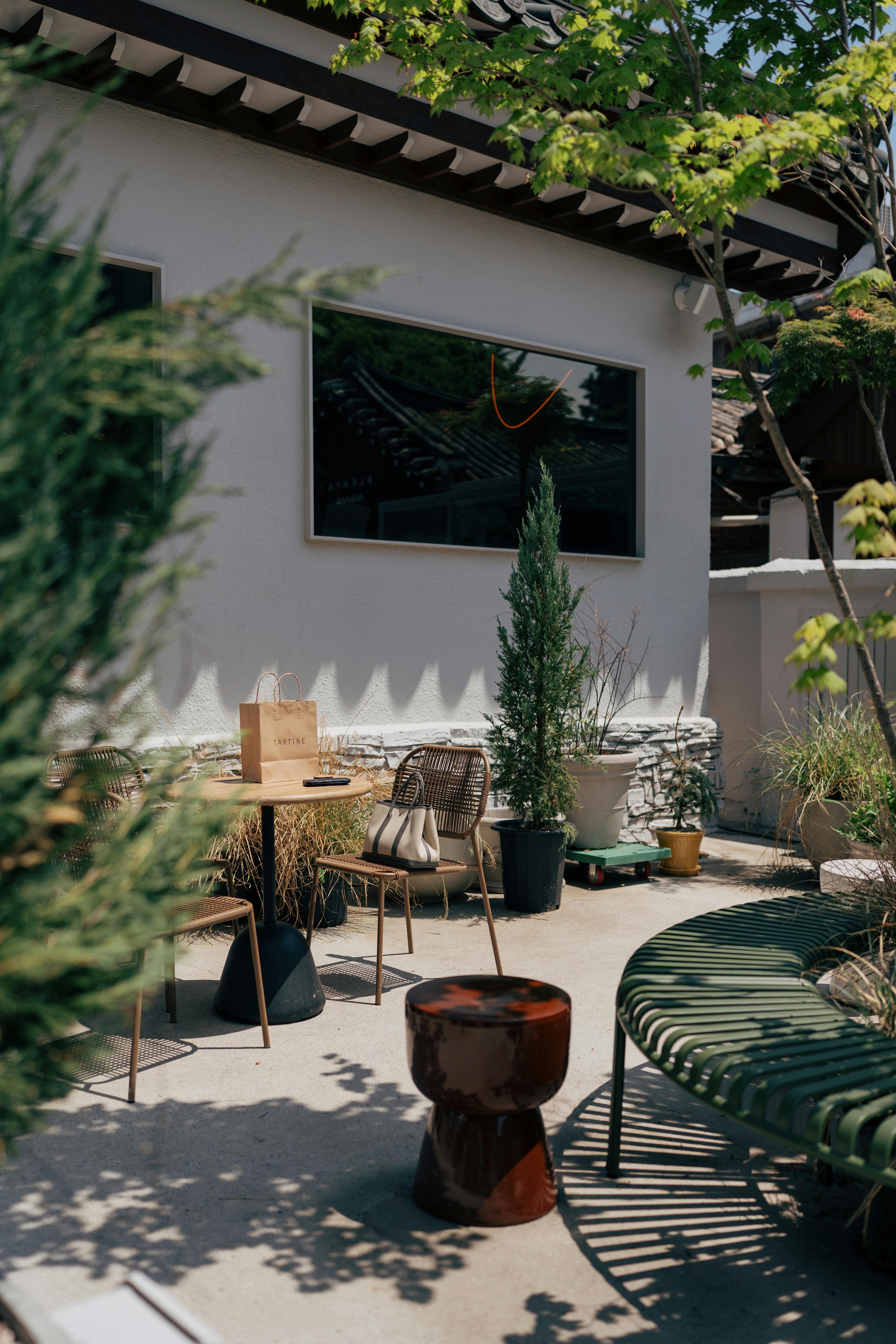
Modern interiors work because they adapt. They’re not tied to trends but built on principles: clarity, function, and comfort. As lifestyles change, modern spaces evolve easily—new furniture, updated textures, or subtle color changes refresh the look without a full redesign.
That flexibility is what makes modern home interior concepts a long-term choice rather than a passing style.