
Attic Insulation Cost: What 1,000 to 1,500 Square Feet Really Runs in 2026
The attic is where most homes quietly lose money, and attic insulation cost is the price of stopping the leak. In 2026, the full job – blown-in insulation brought to modern R-value targets across a 1,000 to 1,500 square foot attic – runs $1,500 to $2,500 professionally installed at the common end, with national project data clustering between roughly $987 and $3,077. The material is cheap; the labor, the depth, and the air sealing around it decide the bill. This guide prices each option per square foot, explains what R-value you actually need, and shows where the money goes – including one tax credit that quietly disappeared this year.
What Attic Insulation Costs Per Square Foot in 2026
Every attic material is priced by installed coverage, and the spread is wide:
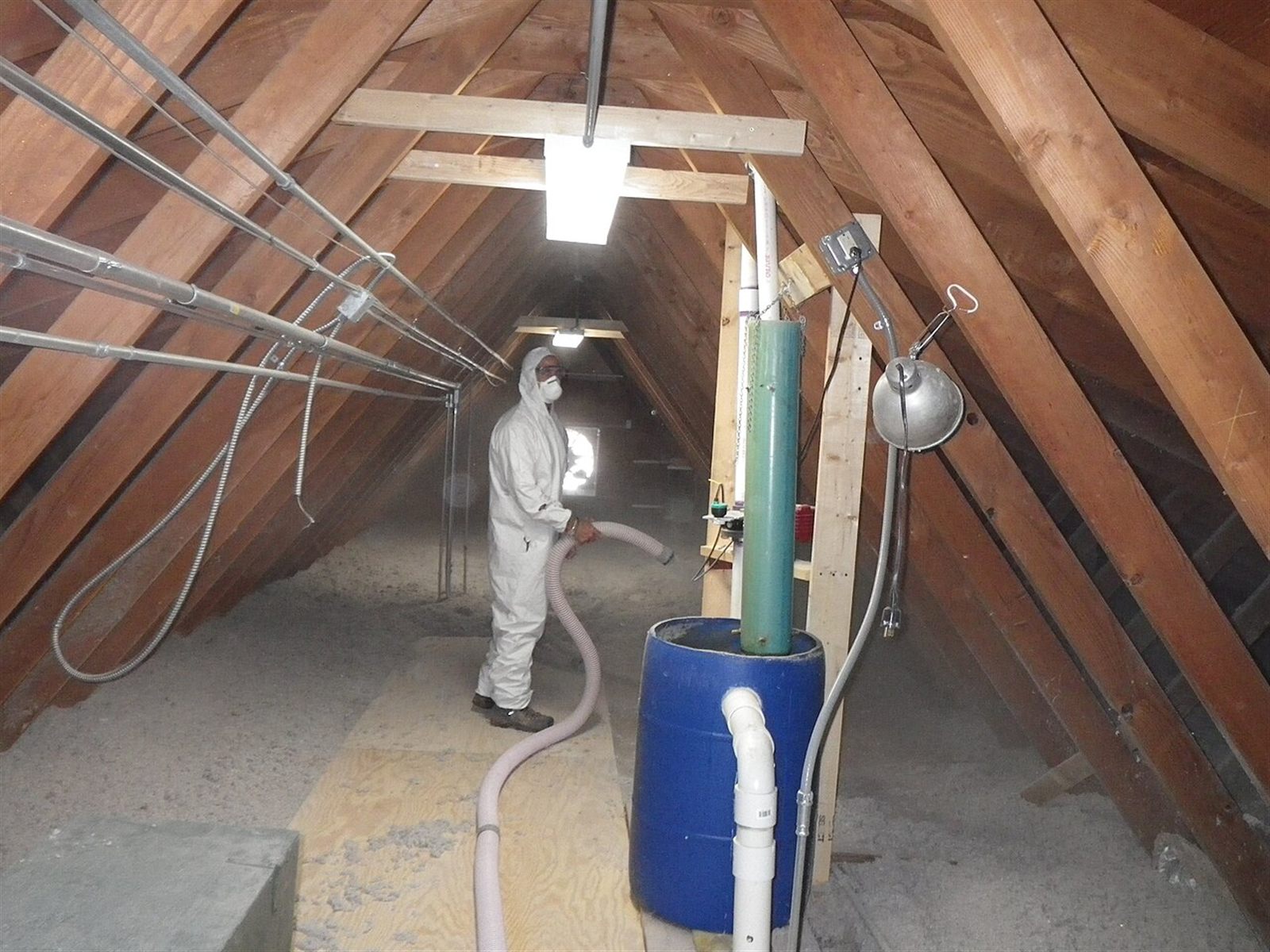
- Blown-in fiberglass or cellulose: $1 to $3 per square foot installed. Cellulose – recycled paper treated for fire – costs a little less than fiberglass loose-fill and settles denser, which is why retrofit contractors blow it more often than anything else.
- Fiberglass batts: $0.50 to $2 per square foot in material, more installed in an unfinished attic with clean joist spacing. Batts are the DIY favorite, but they punish sloppy work: every gap is a thermal bypass.
- Spray foam: $1 to $4.50 per square foot nationally, and premium closed-cell jobs run higher still. Open-cell foam (about R-3.7 per inch) insulates and air-seals in one pass; closed-cell (R-6 to R-7 per inch) adds moisture resistance and structural stiffness at roughly double the cost.
- Air sealing as a separate line: $300 to $600 typical to caulk top plates, wire penetrations, and the attic hatch before insulation goes down. Skipping it is the most common false economy in the whole project.
What a Full Project Totals on a Real Attic
Multiply the per-foot price by depth and the totals look like this:
- 1,000 sq ft attic brought to R-38 with blown-in: $1,500 to $2,500 installed by a pro. Doing it yourself with a rental blower machine cuts that by 40 to 50 percent – the machine is usually free with a bag minimum from the big-box stores.
- National project range: contractor datasets put typical blown-in attic jobs between $987 and $3,077, with attic size, access difficulty, and existing insulation removal moving the number.
- Big attic, spray foam under the roof deck: 1,500 sq ft of closed-cell foam is a $6,000-plus project. It converts the attic into semi-conditioned space, which is why HVAC-in-the-attic homes justify it – and why everyone else usually sticks with blown-in at the floor.
- Removal and re-insulation: old wet, rodent-soiled, or vermiculite insulation adds $1 to $2 per square foot to vacuum out first. Never disturb vermiculite without testing it for asbestos.
Region moves the price less than you would expect – labor is similar everywhere – but the target moves a lot, and that is where budgets are won or lost.
The R-Value Target: Where the Money Actually Goes
R-value is resistance to heat flow, and it stacks: the R-value per inch times the inches of depth. Current targets put most attics at R-38 to R-60, which translates to roughly 10 to 14 inches of fiberglass loose-fill or 13 to 17 inches of cellulose in most climates.
- Fiberglass batts: R-2.9 to R-3.8 per inch
- Blown fiberglass: R-2.2 to R-2.7 per inch (fluffy, needs more depth for the same R)
- Blown cellulose: R-3.2 to R-3.8 per inch (dense, settles less, draft-tightens better)
- Closed-cell spray foam: R-6 to R-7 per inch (double the value in half the depth – the premium you pay when joist depth caps the stack)
If your attic shows 3 or 4 inches of gray, settled insulation from a decades-old job, you are paying to heat a yard of dead air. Topping up from R-11 to R-49 is the classic upgrade, and it is priced by the bags of material, not by heroics: most of the $1,500-to-$2,500 job is material and blower time. The comfort payoff pairs with the envelope work in our guide to keeping a house warm in winter, where attic and ceiling losses top the list.
The Tax Credit That Quietly Ended in 2025
For years, the advice was automatic: the federal 25C Energy Efficient Home Improvement Credit paid back 30 percent of insulation and air-sealing costs, up to $1,200 a year. That credit terminated for work placed in service after December 31, 2025 under the 2025 federal legislation – so in 2026, the federal government is no longer writing that check, regardless of what older blog posts still promise.
What survives in 2026 is the state and utility layer: many electric and gas providers still rebate attic insulation $0.25 to $1 per square foot or a few hundred dollars flat, and some states run their own weatherization incentives. Before you book, check your utility’s efficiency portal – a 15-minute form that shaves real money off the quote. Budget the project on its own merits and treat any rebate as a bonus, not a precondition.
DIY or Hire It Out?
Blown-in is the most honest DIY project in the building envelope. A 1,000 square foot top-up is a weekend: two people, a rented blower, attic-ruler depth gauges, and patience around recessed lights (which need clearance or insulation-contact-rated covers) and the hatch (which needs a dam). The pro version buys you uniform depth, air sealing done first, and the job finished in three hours instead of a day and a half.
Two jobs should always go to a crew, though: spray foam (the chemistry is unforgiving and the fumes demand professional setup) and anything involving knob-and-tube wiring or vermiculite. And if the roofline has been leaking, fix that first – insulation soaked by a roof leak is insulation you buy twice, a point our roof-joint leak guide covers in detail.
Getting Three Quotes That Match
Insulation quotes are easy to compare if you force them into the same shape. Make each bid state: the target R-value, the exact depth in inches, whether air sealing is included, whether the old insulation stays or goes, and the ventilation path – baffles at the eaves so the new depth does not strangle soffit vents. The roof above all this has its own cost math, laid out in our shingle roofing cost guide, and the two projects share a crew more often than not. If gutters are part of the same envelope audit, the numbers live in our gutter installation cost guide.
Do that, and attic insulation cost stops being a guess: $1 to $3 per square foot for the material that pays you back every month in heating and cooling, $1,500 to $2,500 for the typical job done right, and a utility rebate to soften the landing. Of every envelope upgrade in the house, this is the one with the shortest path from invoice to comfort – especially when the first cold week proves it.