
Interior Painting Cost 2026: What Walls, Trim and Ceilings Really Run
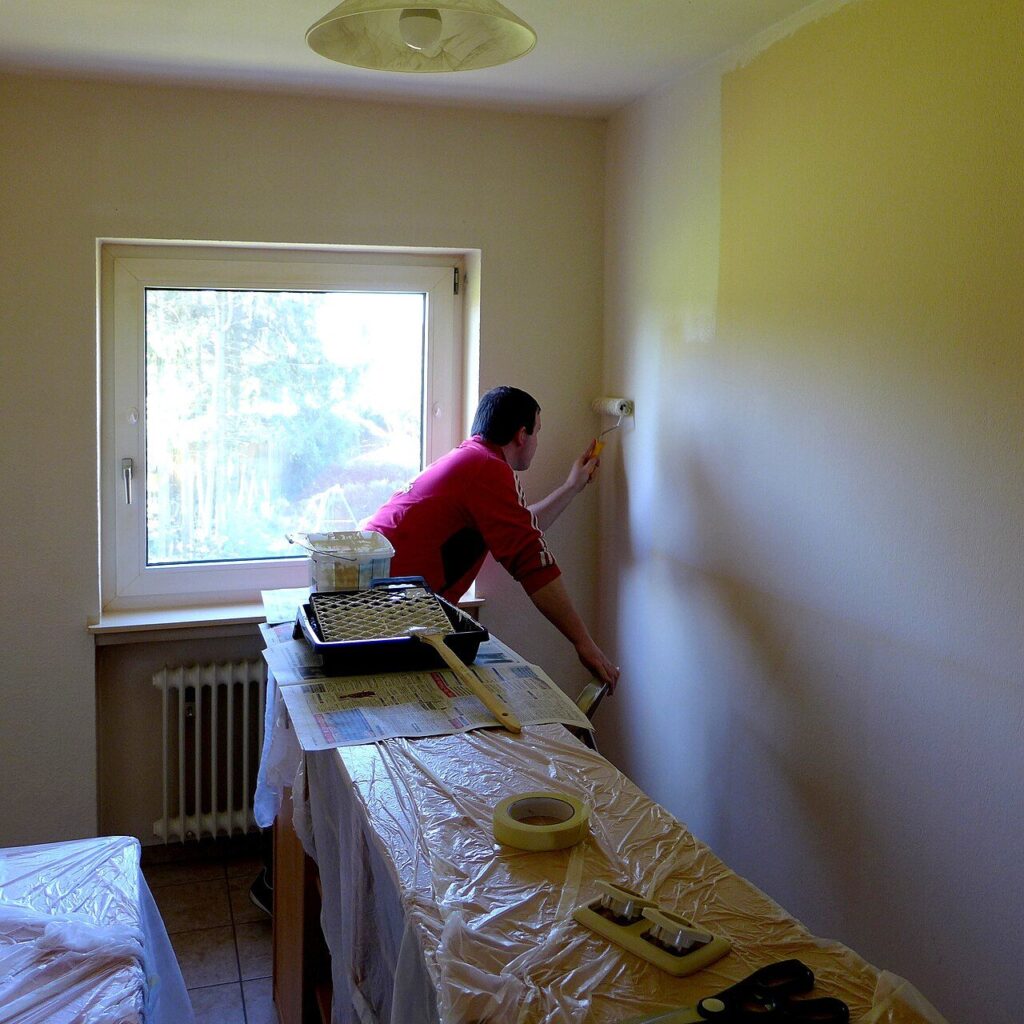
Interior painting cost is the most quoted and most misunderstood number in home improvement: the national average sits around $2,022 for a whole-house job, but most real projects are one or two rooms, and those run anywhere from about $150 to paint a small bathroom to $2,000 for a large living room done top to bottom. Painting is also the one renovation trade where labor, not materials, dominates the bill – roughly 70 to 85 percent of what you pay goes to hands and hours, not paint. That single fact explains every other number in this guide, from why a pro charges $400 to roll paint you could buy for $90, to why the DIY route is genuinely realistic here in a way it never is for roofing or electrical work. Here is what interior painting actually costs in 2026, room by room and wall by wall.
Interior Painting Cost in 2026: The Short Answer
Industry cost data for 2026 puts the average interior painting project at about $2,022, with most homeowners paying between $965 and $3,089 for a whole-house paint job. The spread is driven by three things: how many square feet of surface you are covering, whether trim and ceilings are included, and your region. Translating the averages into per-square-foot terms, painting walls alone runs roughly $2 to $6 per square foot of floor area – which sounds odd until you remember a wall area of a standard 8-foot-ceiling room is about two and a half times its floor area. Per square foot of actual wall surface, that works out to roughly $1 to $3.
Add ceilings and trim – the details that eat hours – and the range climbs to about $4.70 to $6.75 per square foot of floor area. Labor runs 70 to 85 percent of the total, so the cheaper the paint you specify, the less the per-square-foot figure moves; the real lever is how much cutting-in and detail work the job needs.
How Painters Quote: Square Footage vs Per Room
Contractors price one of two ways. Square-footage pricing suits whole houses and open floor plans: the painter estimates wall area from your floor plan, multiplies by their rate, and adds line items for ceilings, trim, and repairs. Per-room pricing suits everything else, and it is how most single-room quotes arrive – many painters carry a mental (or literal) rate card by room type. Either way you should expect a minimum charge of $250 to $500: the setup alone – drop cloths, taping, moving furniture, hauling gear in and out – costs the same whether the room is big or small, and tiny jobs priced purely by area would not cover it.
What a Room Actually Costs
Using the rates above, here is what typical projects run in 2026:
- A 12×12 bedroom, walls only, pro-painted: about $325 to $700 including labor and two coats. All-in with ceiling and trim: roughly $550 to $1,100.
- Same room, DIY: $100 to $250 in materials – two gallons of mid-grade paint plus rollers, tape, drop cloths, and a tray; with better paint and new supplies, plan closer to $142 to $305.
- A 15×20 living room: $600 to $1,200 for walls by a pro, and $900 to $2,000 all-in with ceiling, trim, and cutting in around the trim-heavy window wall.
- A 5×8 bathroom: $150 to $350. Small rooms are the exception to every average – moisture-resistant paint and fussy cutting around fixtures matter more than area.
- The average single room nationwide: roughly $624, which lands almost exactly between the bedroom and living room figures above.
One popular add-on: an accent wall typically adds 20 to 30 percent to a single-wall job, because a different color means a full second setup – another tray, another cut-in pass, often another quart – even though the area is smaller.
Whole-House Numbers
For a full interior refresh, a 2,000-square-foot home runs about $3,500 to $9,500 professionally painted, depending on how much trim and how many ceilings are in scope. The DIY route for the same house is $500 to $900 in paint and supplies – the math that tempts almost everyone – but the time cost is real: a two-person crew finishes a room in 4 to 8 hours, and a solo DIYer working evenings should expect a full house to consume several weekends.
What a Gallon Costs in 2026
Paint itself runs $54 to $109 per gallon at the national brands. Contractor-grade lines – the tier most pros use – sit at the low end: Sherwin-Williams SuperPaint around $54 to $67, moving up through their Emerald line; Benjamin Moore’s Regal lands around $69 to $109 at the premium end. Two gallons cover a typical 12×12 room with two coats. Low-VOC formulations now cost about the same as standard lines in most brands, so if smells or sensitivities matter, specify low-VOC at quote time – it is no longer a meaningful upcharge.
Buy cheaper one-coat-promising paint and you often buy the job twice: budget lines need three coats to match the hide of a good mid-grade, and each extra coat costs more in labor than the paint saved.
Why Labor Dominates the Bill
The 70-to-85-percent labor share is not padding – it is the work itself. Before a roller touches a wall, a painter moves furniture, lays protection, tapes edges, patches nail holes and dings, and cuts in all four corners and the ceiling line by hand. Prep and minor drywall repair, when needed, add roughly $600 to a job on average – badly damaged walls are the single biggest swing factor in any quote. Every hour of that invisible work is why a $90 gallon of paint becomes a $700 room, and it is also why quotes that look high usually are not: ask any two painters to itemize labor hours versus materials and the gap explains itself.
DIY or Hire: Where the Crossover Is
Painting is the most DIY-friendly trade in the house – the tools are cheap, the skills are learnable in one room, and mistakes are reversible with another coat. The crossover math is simple: if your time is worth more than about $25 to $35 an hour and the job is more than a room or two, hiring a crew usually wins. Single bedrooms, hallway touch-ups, and accent walls are DIY territory; two-story foyers, heavy drywall repair, and whole-house jobs with trim everywhere are pro territory. And unlike a roof or a gutter system, a paint job that disappoints costs a weekend to redo, not a four-figure invoice – the same reason a failed DIY attempt on roof repair cost is a category of error entirely different from a mediocre paint finish.
Budget for the whole project, not just the paint: if the refresh is part of a larger prep, walk the room-by-room costs above against other jobs – the numbers pair naturally with our attic insulation cost and gutter installation cost guides when a whole-house budget is coming together. Fresh walls are also the cheapest possible stage-setter for the looks covered in our interior design trends 2026 roundup – paint first, furnish second.
The Bottom Line
Plan on about $325 to $700 to have a standard bedroom’s walls painted, $550 to $1,100 all-in, roughly $624 as the national per-room average, and $3,500 to $9,500 for a full 2,000-square-foot interior. Paint is $54 to $109 a gallon; labor is most of the bill; prep and repairs are the wild card. Get three itemized quotes, confirm what “walls only” excludes, and the averages in this guide become a checklist instead of a mystery.