
Chimney Repair Cost 2026: Cap, Crown, Reline and Rebuild Prices
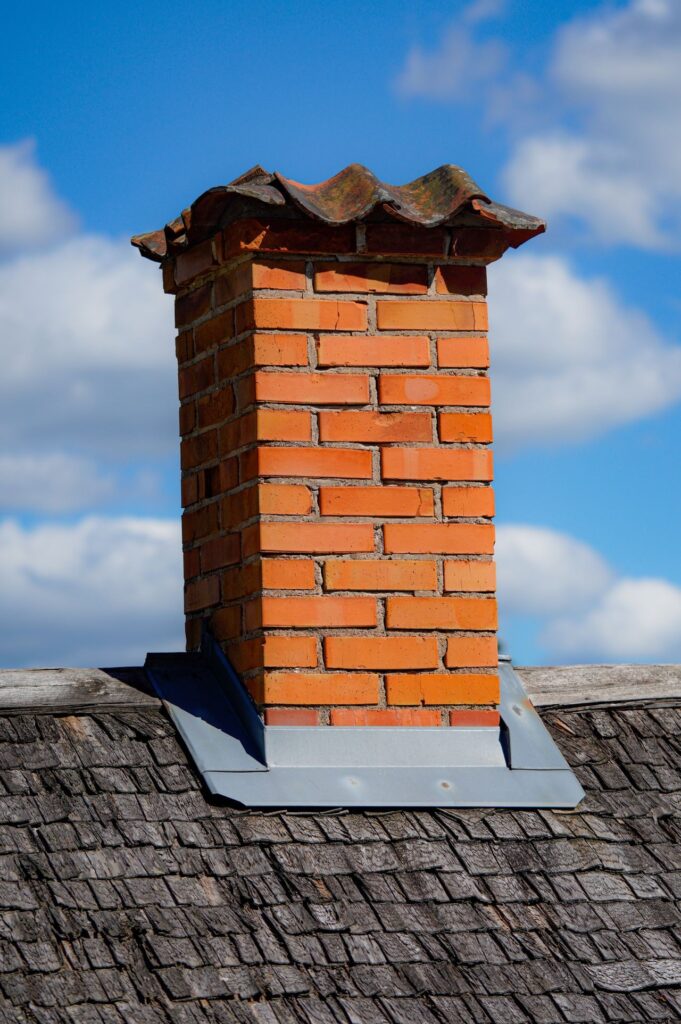
Chimney repair cost is a classic case of a small problem becoming an expensive one. The national average for common fixes sits around $455 to $750 — a cap replacement, a crown patch, a few cracked flue tiles — but the same word covers a tuckpointing job at $2,500 and a full masonry rebuild that can reach $15,000. Water is almost always the culprit: it enters through a cracked crown or failed flashing, freezes inside the brick, and works downward. Because the damage is usually hidden until a ceiling stain or a drifting draft appears, the inspection is where every sensible project begins. Here is the 2026 price map by repair type, the access and regional factors that move a quote, and how to decide whether to patch, reline, or rebuild.
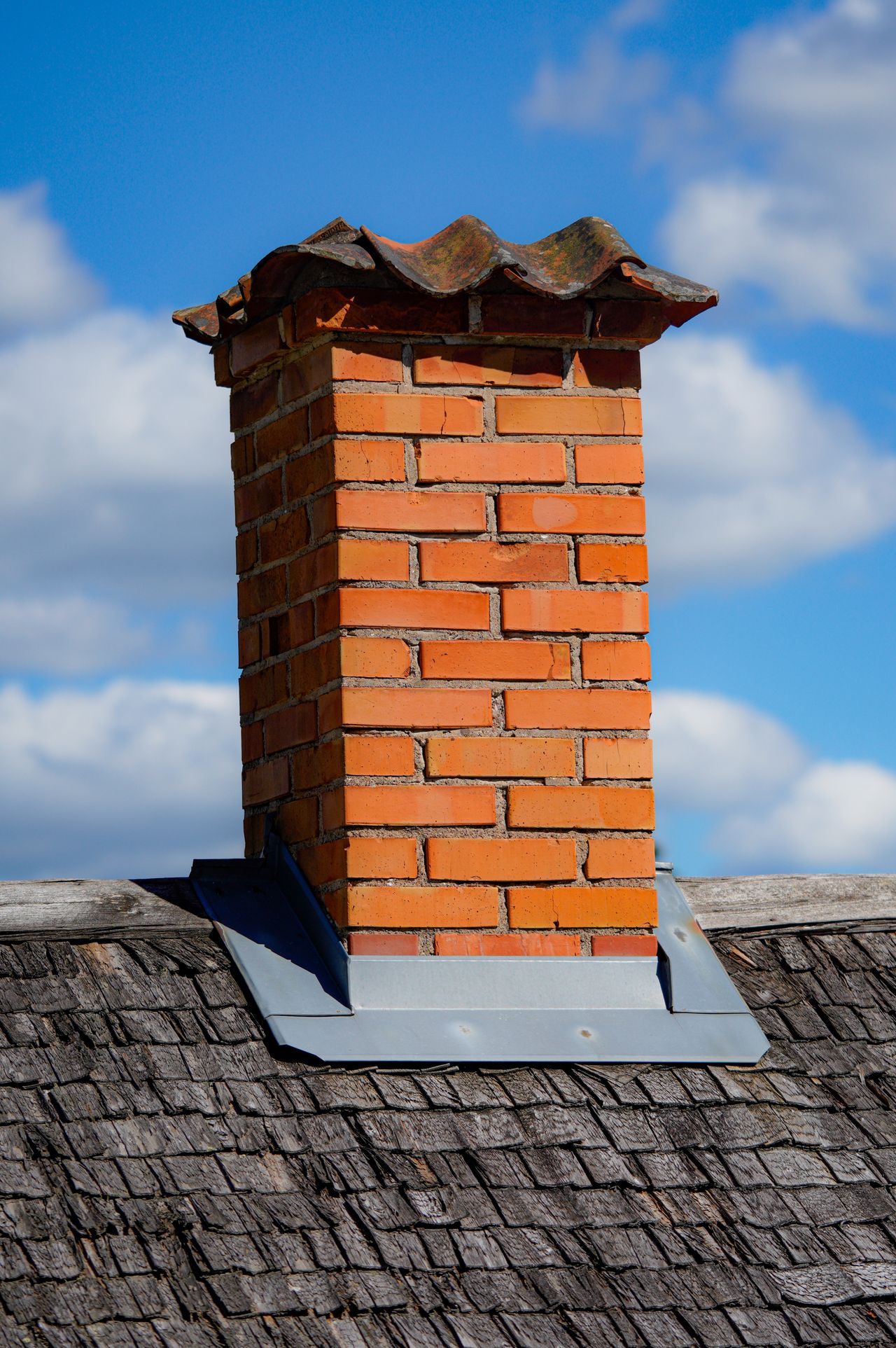
Chimney Repair Cost by Type of Work
National 2026 ranges for the jobs homeowners actually commission:
- Chimney cap: $75 to $300 (up to $850 at some sources). This is the highest-return repair on the list — most water damage starts at an open or rusted flue top.
- Crown repair / replacement: $150 to $600 for a patch and seal; $1,000 to $3,000 to rebuild the concrete top. A cracked crown is the leading cause of top-down masonry deterioration.
- Flashing repair: $150 to $500 to reseal, $300 to $1,800 for full replacement where the chimney meets the roof.
- Repointing / tuckpointing: $4 to $30 per square foot of chimney face, with most whole-chimney jobs landing between $500 and $2,500. Tuckpointing uses two mortar colors for a finer finish.
- Flue tile repair: $65 to $100 per square foot; a few cracked tiles run $200 to $400. Cracks are a safety priority because they can let combustion gases into the house.
- Flue liner replacement: $65 to $200 per linear foot for stainless, with a typical 25-foot reline running $1,380 to $3,400; full-range estimates run $1,500 to $7,000.
- Partial rebuild above the roofline: $1,000 to $5,000; $150 to $500 per vertical foot for an eight-foot stack, with cap, flashing, and permits included in a finished job.
- Full chimney rebuild: $4,000 to $15,000, and $8,000 to $20,000 for large structural jobs reaching the footing.
Seasonal inspection and cleaning runs $150 to $375 — cheap insurance that catches the $300 problems before they become $5,000 ones. Our roof repair cost guide covers the adjoining surface, where flashing failures often show up as ceiling stains first.
What Moves the Quote
Four variables decide where in each range you land. **Access** is the big one: a two- or three-story chimney or a steep roof adds 15 to 35 percent for staging and scaffolding. **Region** matters — the West Coast and Northeast run 15 to 25 percent above the national figure, and bricklayer wages vary sharply by metro. **Extent of water damage** can multiply the scope once the mason opens up the masonry: moisture that reached the firebox or framing is a different job from a surface crack. **Materials** matter too, with stainless liners costing more than aluminum and natural stone repair more than standard brick.
Ask every contractor to itemize the specific repair, the access equipment, permit fees, and whether a Level 2 camera inspection is included. On any liner or rebuild work, that inspection is worth its $100 to $500 — it shows cracking inside the flue and smoke chamber that you cannot see from the driveway. A bid based on a driveway glance is a guess. The same discipline applies when coordinating with a full roof project, as our shingle roofing cost guide explains.
Repair or Rebuild?
Patch when the damage is local and the structure is sound: a rusted cap, hairline crown cracks, a few spalled bricks, loose flashing. Reline when the flue is cracked, the liner is the wrong size for a fuel change, or a chimney fire has occurred — this is a safety decision, not a cosmetic one. Rebuild when the mortar is gone deep into the joints, the stack leans, or bricks are spalling across large areas. A leaning chimney is urgent: stabilization runs $2,000 to $4,000, and severe cases need helical piers that push the figure much higher.
The honest test is condition over time. If a chimney needs $2,000 of tuckpointing but the crown and liner are original, you may be patching a structure that will demand another $5,000 in five years. Get the camera inspection, price the whole remaining life of the stack, then decide. A new cap plus crown seal at $550 to $2,370 can protect all the masonry below it — the cheapest insurance in this entire guide. Interior work that follows a leak belongs in our interior painting cost guide once the water source is fixed.
DIY Limits and Seasonal Timing
A few chimney tasks are homeowner territory: cleaning out loose debris, applying a crown sealer to hairline cracks, and replacing a simple cap that can be reached from a stable ladder. Anything involving the roof plane, a liner, or structural brick belongs to a licensed mason — the fall risk alone makes the savings a bad trade, and a poorly installed liner is a carbon-monoxide hazard. Late summer and early fall are the best times to book: masons are less overloaded than during the post-storm spring rush, and you want the repairs finished before the first freeze-thaw cycle. If you are already planning exterior work, coordinate the chimney with the crews handling siding or roofing so flashing and scaffolding are priced once rather than twice.
The Bottom Line
Budget $150 to $750 for the common small repairs, $500 to $2,500 for tuckpointing, $1,500 to $7,000 for a liner, $1,000 to $5,000 for a partial rebuild, and $4,000 to $15,000 for a full rebuild. Add 15 to 35 percent for difficult access and check regional labor before judging a quote. Start with the cap and crown, get a camera inspection before any major work, and treat water as the enemy it is — the earlier you stop it, the smaller the number on the invoice.