
Sump Pump Cost 2026: Installation, Replacement and Backup Prices
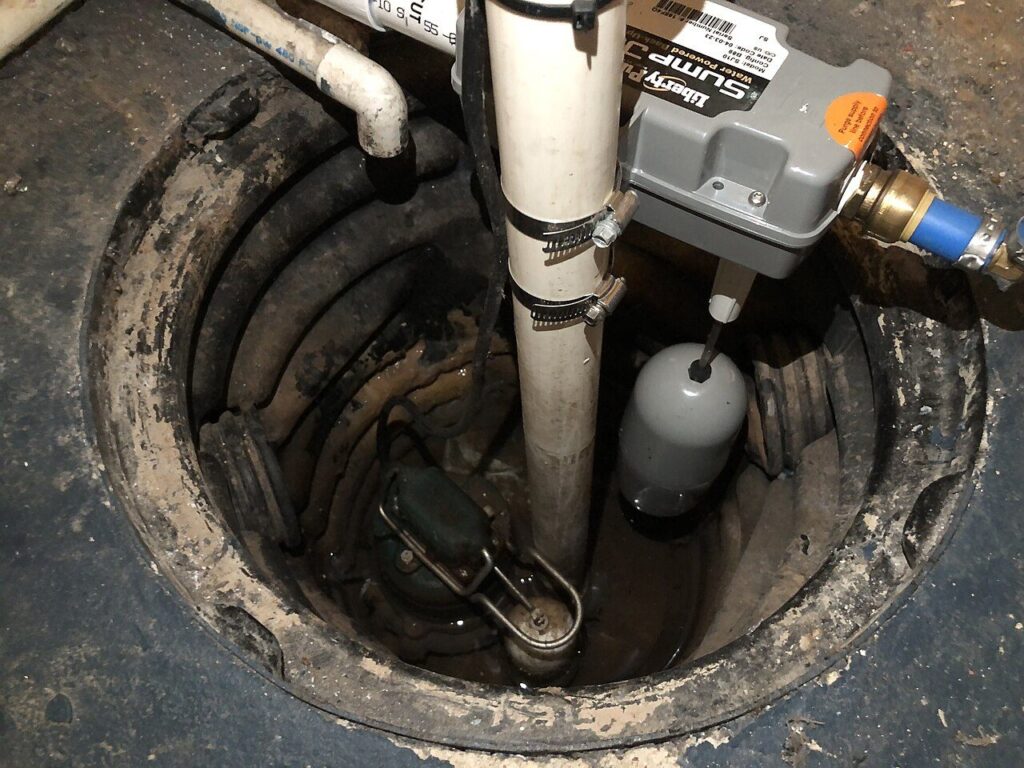
Sump pump cost looks modest until the quote arrives. Fixr puts a straightforward installation at $800 to $2,000 with a $1,400 national average, but that assumes an existing pit and a simple discharge line. Digging a new pit in a concrete slab, adding a battery backup, or running a French drain to feed the basin can push the same project toward $4,000 — and a full drainage system into the $6,500 range. The pump itself is often the smallest line on the bill. Here is what drives the numbers, how to choose between pedestal and submersible units, and why a backup system is usually worth more than a fancier primary pump.
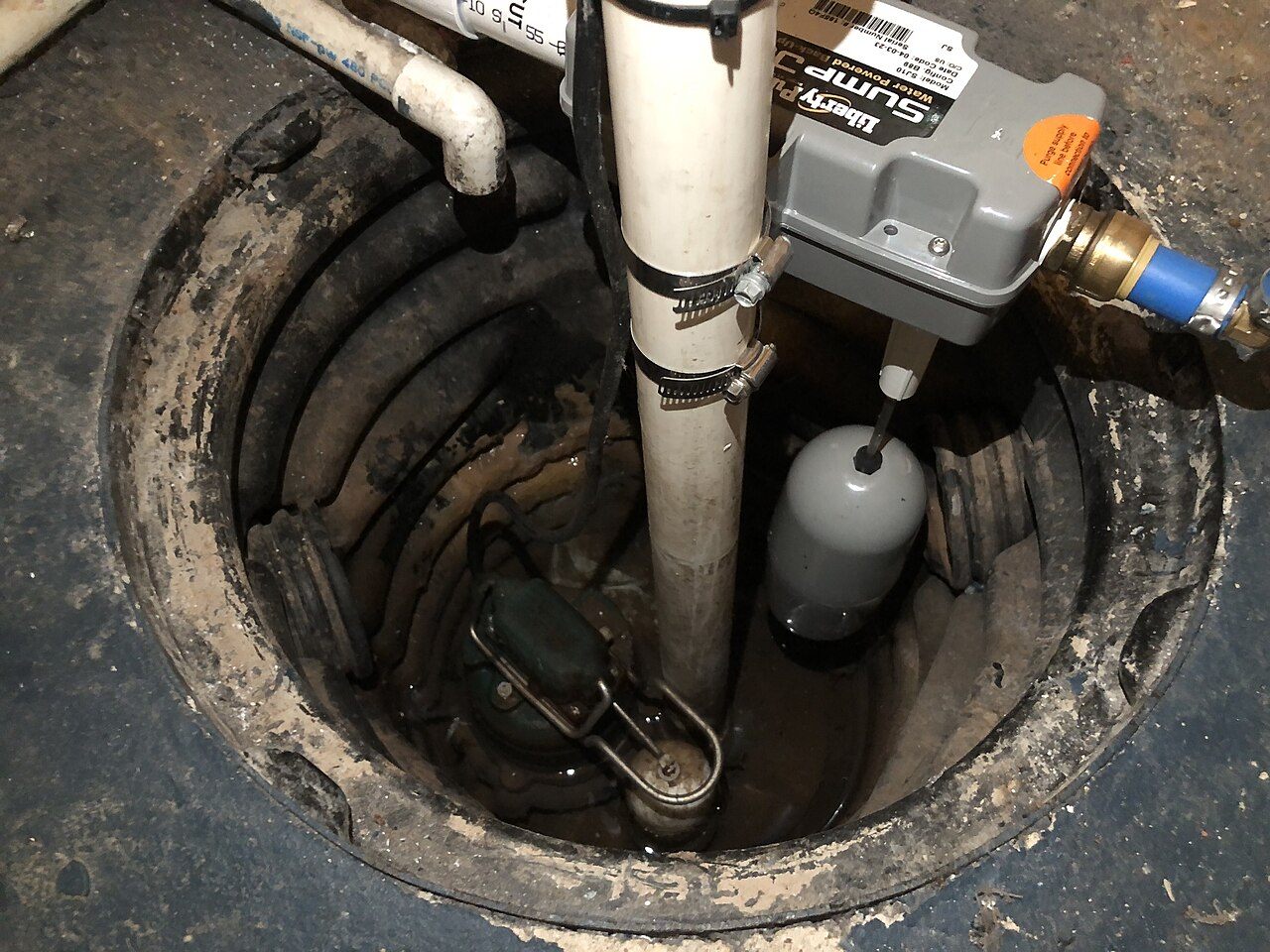
Sump Pump Cost in 2026: The Main Scenarios
- Simple replacement in an existing pit: $350 to $1,000 installed, usually one to three hours of labor. The basin and pipework are already there.
- New submersible pump and pit with above-ground discharge: $800 to $2,000, averaging $1,400 — the national benchmark.
- Low-end pedestal swap: around $500 when the pit exists and labor is minimal.
- High-end installation: up to $4,000 for a new pit drilled through a thick concrete slab, two pumps, underground discharge, battery backup, and an alarm.
- New sump basin alone: $500 to $1,200 to dig and line the pit.
- French drain to feed the pit: $2,800 to $6,500 when one is not already installed — often the largest single expense in a genuine water-management project.
Pump capacity is measured in gallons per hour: small utility units move around 1,800 GPH, while heavy-duty models exceed 10,000 GPH. Most homes need a ⅓ to ¾ horsepower motor, and Fixr lists unit-only prices from about $90 for a ⅓ HP pump up to $800 for 1 HP. A plastic unit runs $50 to $300, cast iron $100 to $800, and stainless steel $150 to $1,000. Cast iron runs cooler and lasts longer; stainless resists corrosion but loses output when hot. Keep the envelope and drainage in the same conversation — our attic insulation cost guide and the rest of the shell all affect how much water shows up at the foundation.
Pedestal or Submersible?
A pedestal pump keeps its motor above the pit on a column, making it easy to service and long-lived — up to 30 years when installed properly — but it is louder and obstructs basement floor space. Unit prices run $80 to $800. A submersible sits sealed in the pit, is quiet, handles more water, allows the basin to be covered (reducing trip hazards and radon intrusion), and is now the most popular style. It costs $90 to $1,000 for the unit and typically lasts 5 to 15 years. The tradeoff is that servicing a submerged pump means plumbing and sometimes flooring work. The float switch is the most common failure point in either design; submersible “piggyback” models let you replace just the switch. The bathroom remodeling cost guide covers the other water-related trades that share the same plumbing crew.
Labor, Access and the Hidden Lines
Labor runs $300 to $4,000 depending on whether a pit exists and how the water gets to it. Plumbers charge $75 to $150 an hour; a basement waterproofing specialist may be the better choice for the whole system. Burying a discharge pipe costs $250 to $2,000, while running it above ground costs $150 to $400. Digging through dirt or gravel is straightforward; jackhammering a concrete slab is not, and the floor must be patched afterward. Permits are usually unnecessary unless electrical work or structural changes are involved, and a dedicated circuit is strongly recommended — a sump pump on a shared outlet can lose power from a tripped breaker during the storm it is meant to handle. An inspection costs $50 to $350 and a professional cleaning $100 to $300; annual checks are cheap next to a flooded basement. The same access logic drives our chimney repair cost and water heater replacement cost guides.
Backup Power: The Upgrade That Matters
A primary pump is useless in the outage that follows a severe storm, which is exactly when it is needed most. A battery backup adds $150 to $2,000 depending on the system; a simple add-on is $150 to $250, while batteries run seven to fourteen hours. A water-powered backup costs $200 to $900 and uses municipal pressure through a Venturi-style ejector — no electricity, very reliable, but it consumes potable water. A combination electric-and-water unit runs $500 to $1,500. A $15 to $30 water alarm is the cheapest insurance of all, and a monitoring system adds $300 to $500. If you must choose between a more expensive primary pump and a modest backup, take the backup. The other major mechanical systems in the house follow the same redundancy logic, as our HVAC replacement cost guide shows.
When a Sump Pump Is Not Enough
A sump pump manages water that reaches the pit; it does not stop water from entering the basement. If you are bailing after every heavy rain, the real problem is usually grading, a cracked foundation wall, or a failed exterior drainage system. Gutters that dump water beside the foundation and a slope that falls toward the house are cheap fixes with large effects — our gutter installation cost guide prices the first of them. When the basement itself is damp, a professional should price exterior excavation and waterproofing before you commit to a succession of larger pumps. The honest sequence is simple: move surface water away first, seal what you can access, then size the pump for what remains. Doing it in reverse is how homeowners end up with two pumps, a dead battery, and a wet floor anyway.
The Bottom Line
Budget $800 to $2,000 for a standard new sump pump and pit, $350 to $1,000 for a replacement in an existing pit, and up to $4,000 for difficult access with a backup. Add $2,800 to $6,500 if a French drain is needed to bring water to the basin. Choose a submersible for most basements, install it on a dedicated circuit, and spend the extra on backup power and an alarm before upgrading the primary unit.